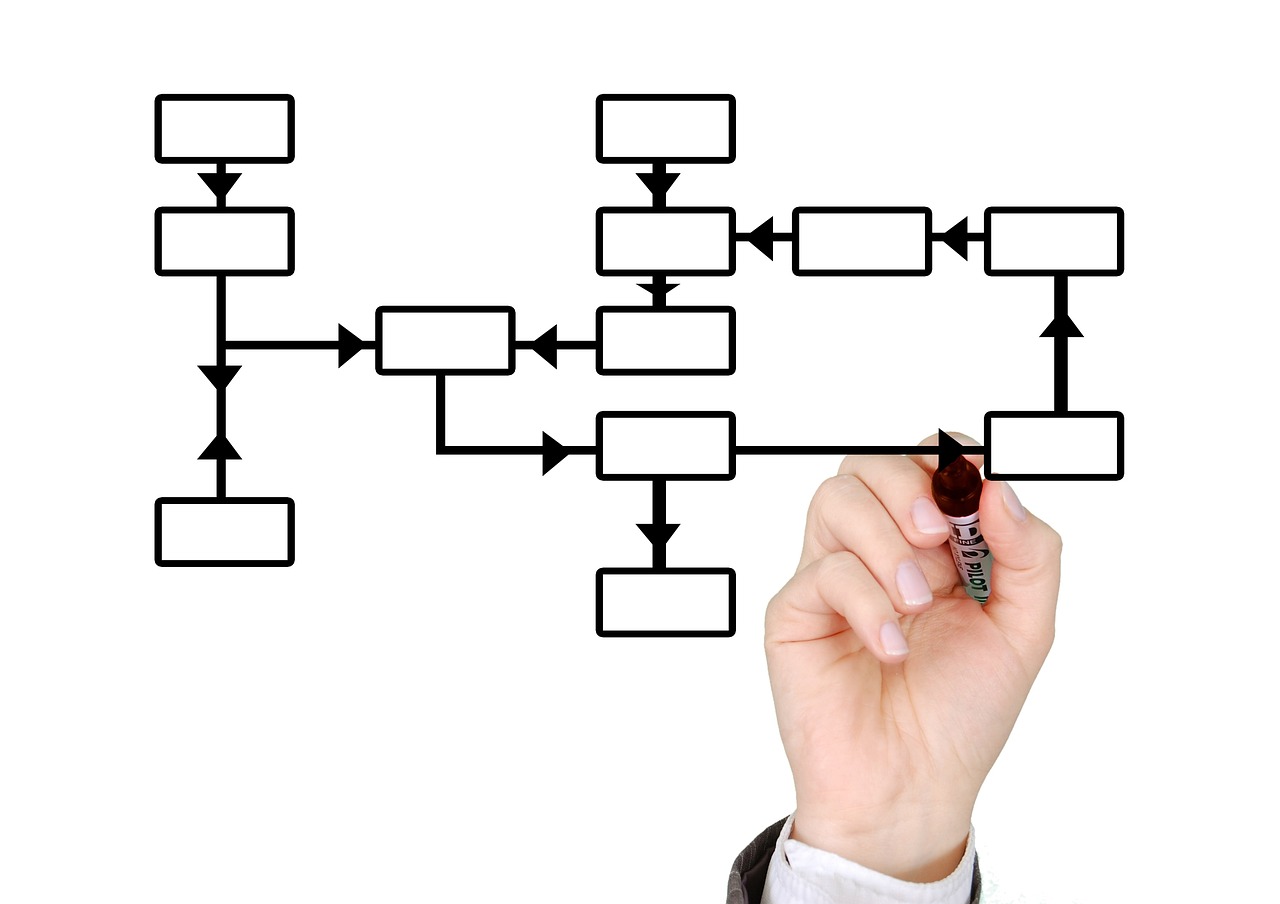
You probably think an AI customer support bot needs to talk like a human to be effective. The truth is the opposite. Most business owners want a tool that solves a customer problem in three clicks, not one that writes poetry. When a customer messages you, they aren't looking for a chat. They want a status update or a quick answer to a recurring question. Linear, predictable flows are better for this than complex generative models because they don't hallucinate, they don't ramble, and they work exactly the same way every time.
A linear flow is a decision tree. It guides the user from point A to point B through a series of buttons or fixed options. If you run a logistics firm in Lagos and a client asks for a delivery status, the bot doesn't need to understand the intent behind the query. It only needs to capture a waybill number and query your database. A generative model tries to interpret the sentence structure, which introduces room for error. A linear system just triggers the specific sequence for your databases.
Generative AI models often add unnecessary friction. They might apologize for the wait or offer a long explanation the user didn't ask for. If your goal is speed, you should strip away the fluff. A structured Bot Development strategy focuses on removing steps between the customer and the answer. When you restrict the bot to a linear path, you ensure the outcome is always correct. You are not building a chat companion, you are building an interface that performs a job.

Many businesses feel pressured to implement complex language models because they are popular. However, these tools require massive data sets to be accurate and constant monitoring to avoid unprofessional responses. A linear bot is safer because you define the boundaries. If the bot isn't programmed to answer a question, it can simply offer an option to escalate to a human.
Consider a school in Kano handling enrollment inquiries. You could build an AI customer support bot that attempts to understand natural language, but that often leads to misunderstandings. If the system misinterprets a parent intent, the parent loses trust. A linear flow presents buttons like School Fees, Admission Requirements, or Talk to Registrar. The parent clicks once, gets the information, and finishes their task. It is predictable, which makes it reliable.

A bot is only as useful as the data it can access. If your bot lives in isolation, it is just a FAQ page with an attitude. The value of a well-designed system comes from connecting the bot to your existing tools. This is where Systems Integration becomes useful. Your bot should be able to reach into your CRM to pull client data or update an order status without human intervention.
When you map out your logic, think about your internal processes first. If your team has to manually copy information from a chat into a spreadsheet, you haven't automated anything. You have just changed the input method. A linear bot should trigger a direct update in your backend systems. This makes the user experience feel immediate and professional. If you want to refine how your business manages these processes, Technology Consulting can help you identify which workflows are actually ready for automation.
The best bots are invisible. They don't try to impress the user with advanced personality traits. They operate in the background to handle the repetitive work that slows down your business. If you are building an AI customer support bot, start by mapping out the most common customer interactions. Take the top ten questions you receive and build a path for each one. Once these are working, you can expand the scope.
Avoid the temptation to include every possible scenario at once. Start with a narrow focus. If the bot handles order tracking, delivery issues, and refund policies correctly, you have already solved the majority of your support backlog. By keeping the flows linear, you maintain control over the brand voice and the quality of the service. You are providing a service that works every time, which is exactly what your customers value.
Start with a chatbot for routine tasks like checking order status or business hours. This keeps your team focused on complex issues. A well-built bot handles the volume, while humans handle the nuance. You need both, but use the bot to filter the requests before they reach a person.
Customers get frustrated when bots loop, refuse to understand intent, or provide vague answers. Generative AI can hallucinate or sound robotic while trying to be too helpful. A linear flow prevents this by offering specific, actionable options that lead the customer directly to their answer without guessing.
If your team spends more than two hours a day answering the same five questions, you need a bot. Look at your support logs. If the queries are predictable, like tracking a delivery or checking a price, a bot will pay for itself quickly by freeing up your staff.