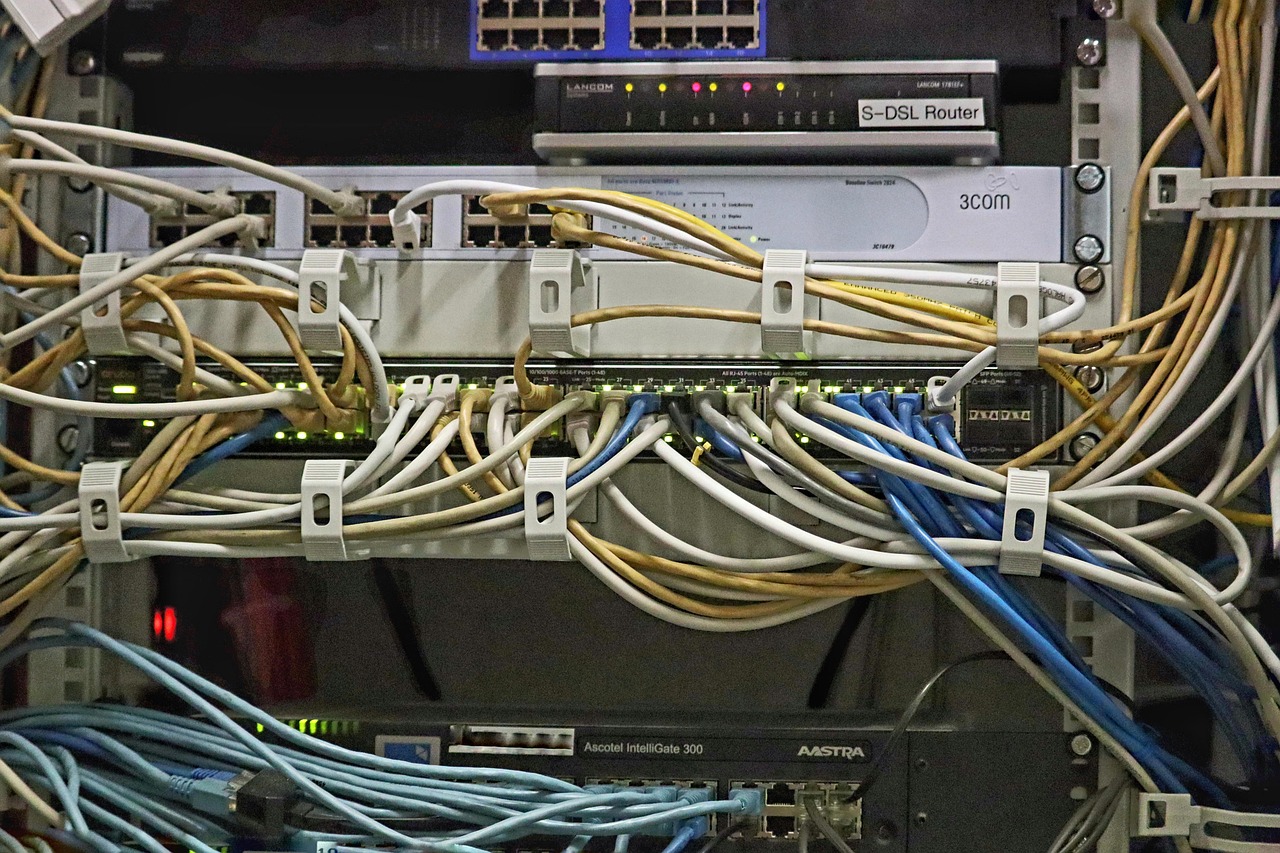
Point-to-point integration is the most common reason small businesses struggle to scale their internal processes. You connect your email to your CRM, then your CRM to your shipping tool, and finally your shipping tool to your accounting software. It feels like progress. However, this creates a web of fragile connections where a single update in one tool sends errors across your entire company. If you are preparing to deploy AI agents for business, this messy architecture will stop you before you start.
When you connect every piece of software directly to every other piece, you build a tangled knot. Imagine a logistics firm in Lagos where the booking system talks to the delivery app, and the delivery app talks to the payroll software. If you change your delivery partner, you must rewrite the connection in two separate places.
This model requires you to manage every individual path. You do not just manage your data; you manage the plumbing. It is expensive, slow, and prone to silent failures where information simply stops moving without a clear warning. This is where Systems Integration becomes necessary. You need to move away from these brittle links and toward a centralized architecture.

A hub-based architecture acts as a single point of truth. Instead of connecting tool A to tool B, and B to C, you connect every tool to a central engine. This engine manages the flow of information. If one tool updates its requirements, you only change the connection to the hub, not the links to every other system.
This setup is mandatory if you plan to use AI agents for business. An intelligent agent needs a clean, consistent view of your data to act. It cannot work if it must chase data through four different, poorly connected applications. A hub organizes your data, allowing your systems to interact through a standard, reliable channel.

Most business owners treat software connections as set-it-and-forget-it tasks. This is a mistake. Technology changes, APIs update, and your business needs evolve. When your systems are hard-wired together, you are trapped by your previous decisions. You cannot swap out a CRM or add a new shipping provider without a high risk of downtime.
A centralized hub gives you freedom. You can plug in a new tool by mapping it to your hub once. You do not have to worry about the downstream effects on your accounting or customer support platforms. This allows you to iterate faster. You can test new tools to see if they work for your specific needs, rather than fearing the technical debt that usually comes with adding new software.
Stop adding new direct connections today. When you need to link a new piece of software, look for a middleware layer or a centralized hub that can handle the transformation of data. You should audit your existing connections. List every path that moves data between your tools. If you find more than three direct paths, you are creating a point-to-point disaster.
Focus on your data structure first. Ensure your customer names, order IDs, and inventory numbers are consistent across all platforms. You cannot automate a mess. If your data is dirty, your integrations will be brittle. Use Technology Consulting to map out where your data should live. Once the hub is established, you can start layering in advanced tools like AI agents for business to manage repetitive tasks, knowing the foundation will not crumble under the load.
Book a consultation to review your current system connections and identify where your data is getting trapped.
Point-to-point integration is a direct connection between two software applications, like linking your sales platform directly to your accounting software. While simple for two systems, it becomes a nightmare to manage as you add more tools. Each new connection creates another line of code that can break, requiring constant manual maintenance.
AI agents for business act as intelligent intermediaries in a centralized system. Instead of hard-coding every connection, these agents use a central hub to read and update data across your stack. This makes it easier to change one tool without breaking the entire chain of connections across your company.
Replace your integrations when you spend more time fixing broken data syncs than actually using the data. If a minor update in your CRM causes your inventory system to fail, your current architecture is too fragile. You need a central hub approach to stop the constant firefighting and maintenance cycles.