You have a system that works. It processes your orders, tracks your inventory, or manages your customer data. It is stable, it is paid for, and it is also entirely stuck in the past. When you try to connect it to a new app or a modern cloud service, you hit a wall. The system has no way to talk to the modern tools your team needs to stay competitive.
The standard advice is often a complete ground-up rewrite. This is expensive, risky, and usually unnecessary. A more practical strategy for many businesses is the API wrapper. You build a modern layer that sits on top of your legacy software. This layer translates modern requests into the language your old system understands. It allows you to keep the core logic that works while exposing your data to the tools you need today.
Think of a legacy system like a warehouse that only accepts handwritten logs. If you want to send digital orders, you need a clerk at the front desk. The clerk takes the digital order, writes it down in the format the warehouse understands, and hands it over. In this analogy, the clerk is your API wrapper.
An API wrapper is a thin software layer. It creates a bridge between an old system that wasn't designed for the modern web and the apps that require real-time data. You aren't changing the old database or the core business logic. You are simply adding a translator that lets other programs communicate with it securely.
You should consider a wrapper when your current system is functionally sound but technically isolated. If the software is stable and solves your core problem, you don't need to rebuild it just to gain modern connectivity. However, you must assess the stability of the underlying architecture. If the system crashes frequently or the data structure is so corrupted that it cannot be parsed, a wrapper is just putting a fresh coat of paint on a crumbling wall. Our Technology Consulting service can help you determine if your legacy system is a candidate for this approach or if it is time to move on.
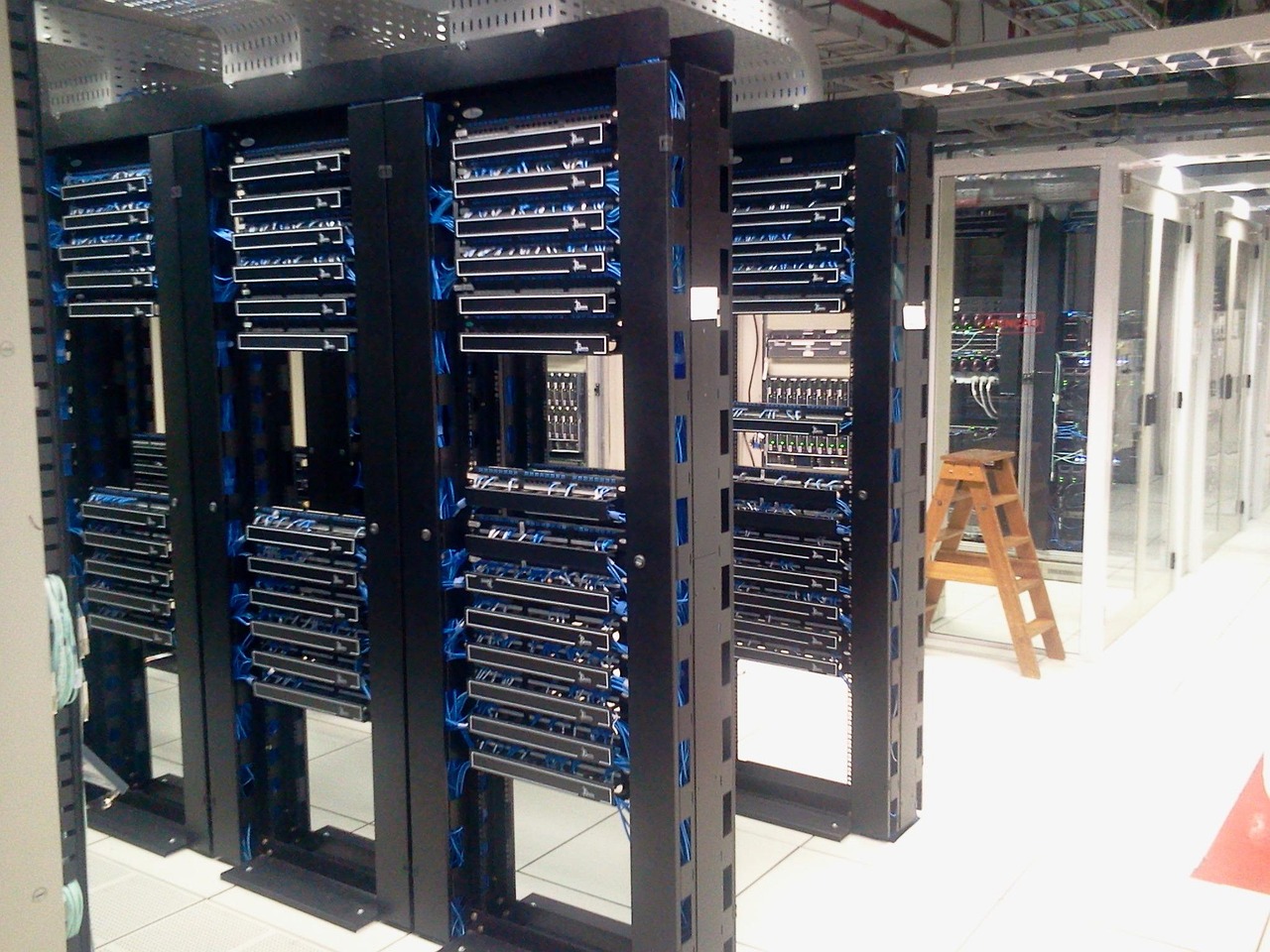
You need to find where the data actually lives. Many legacy systems have local databases or internal file exports. You must map these data points to understand what information can realistically be retrieved or updated through a digital request.
This is where the engineering happens. Your team or partner builds an API that accepts modern, standardized requests (like JSON). The wrapper then triggers the specific query or action required by the legacy software. It then waits for the result, formats it back into a modern response, and sends it to your new application.
Legacy systems were often built for internal, local networks. They lack modern security standards. Your wrapper must act as a security gateway. It should handle authentication and rate-limiting so that your new, exposed web services don't accidentally overwhelm or crash your old system.

This approach is not a permanent solution for every business, but it is an effective bridge. The main trade-off is latency. Because the wrapper has to translate every request, you might notice a slight delay compared to a native, modern system. You also need to maintain this extra layer of code. It adds a piece to your tech stack that requires monitoring and updates.
If you need to modernize how your organization handles its internal data flow, it is helpful to look at how different parts of your business currently connect. For a deeper look into organizing your systems, read more about mapping your data. This step is essential before deciding whether to wrap, integrate, or replace.
Modernizing doesn't have to mean discarding what you have built over years of hard work. By using an API wrapper, you unlock the ability to integrate with mobile applications, automate repetitive tasks with AI automation, or connect your team through better systems integration. You get the benefits of modern technology while maintaining the operational stability of your existing tools.
If you are unsure if your legacy system can support an API wrapper or if you need an objective assessment of your current infrastructure, let's look at it together. We focus on practical, high-impact solutions that get you to the next stage of growth without unnecessary bloat.
Next step: Book a consultation to discuss your existing infrastructure and see if an API wrapper is the right strategy for your business. We will look at your current systems and give you a candid, practical recommendation.